A Tapestry of Beliefs: The Spiritual Foundations
A traditional Chinese funeral is a profound and elaborate series of rituals that serve one core purpose: to ensure the peaceful transition of the deceased to the spirit world while bringing comfort and protection to the living. It is not a single act, but a carefully orchestrated process steeped in a blend of Confucian, Taoist, and Buddhist philosophies. Confucianism provides the structure, emphasizing filial piety (xiao) and the proper respect owed to elders and ancestors. Taoist beliefs influence rituals aimed at harmonizing cosmic energies, while Buddhism offers concepts of karma and rebirth, along with ceremonies to guide the soul through the afterlife. This intricate blend creates a rich ceremonial tapestry that honors the past, cares for the soul's future, and upholds family duty.
For families navigating these traditions in the modern diaspora, especially in places like Ontario, finding funeral services that understand and can accommodate these specific customs is essential for performing rites with authenticity and respect.
The Journey Begins: Rituals from the Moment of Passing
The funeral process starts immediately, with rituals designed to prepare both the body and the family for the days ahead.
Preparation of the Body and the Home Altar
- Ritual Washing and Dressing (Xiao Lian): The body is carefully washed by family members, symbolically purifying it for the next life. It is then dressed in special burial clothes, traditionally white, black, or blue—colors of mourning—or in the deceased's finest clothes. Avoid red, as it is a celebratory color.
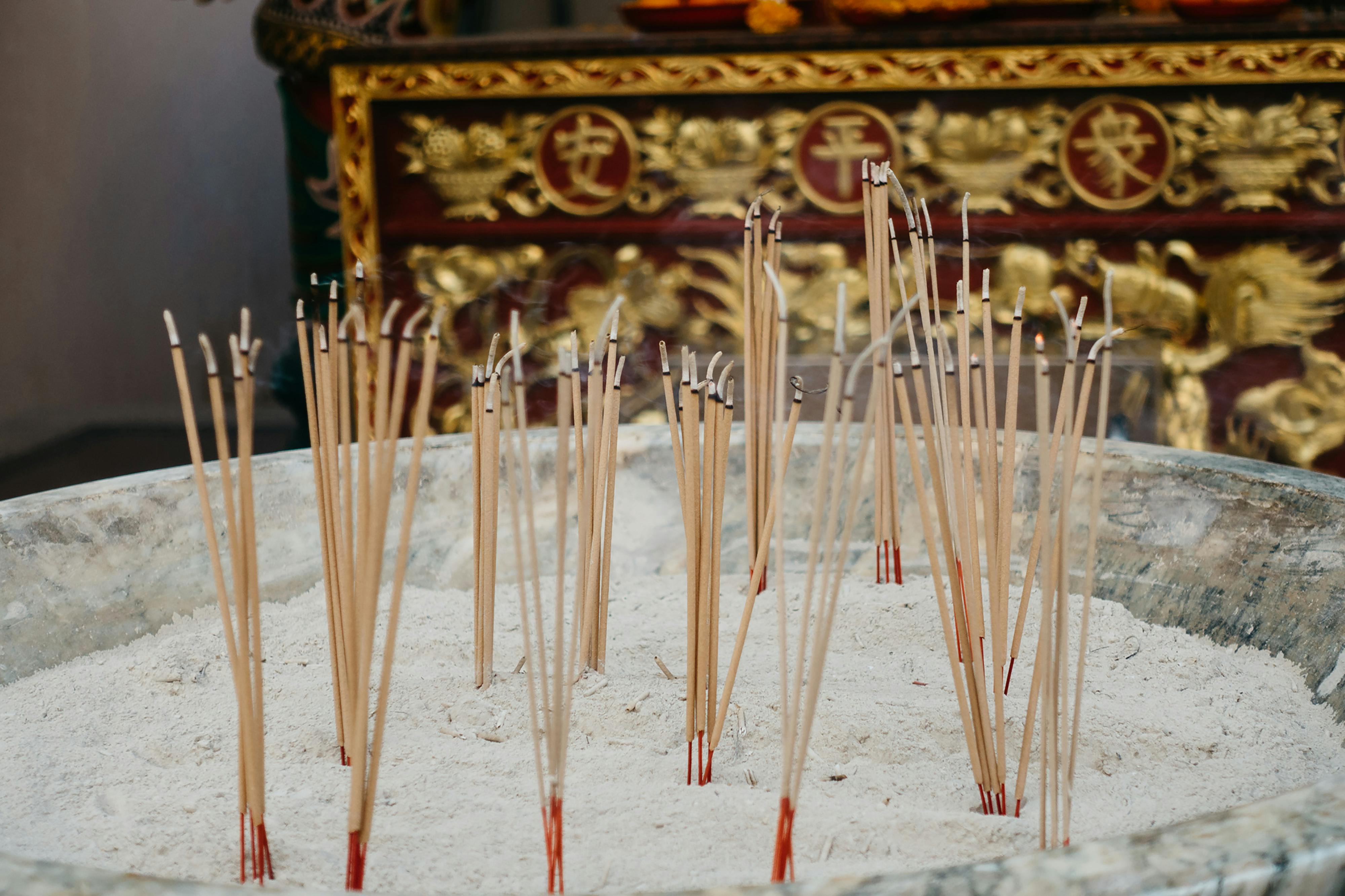
- The Home Altar (Ling Wei): A temporary altar is set up near the body, featuring a portrait of the deceased surrounded by white flowers and candles. Incense is burned continuously to guide the spirit and ward off malevolent forces.
- Symbolic Offerings: Food, tea, and the deceased's favorite items are placed on the altar. A lamp or candle is kept lit to illuminate the soul's path.
These initial steps are deeply personal. Funeral homes in Ontario experienced in Chinese customs can provide private, appropriate spaces for families to conduct these rituals with dignity.
Notification and Mourning Attire
- Formal Announcement: A formal obituary is written, traditionally on white paper. Close family and friends are notified personally, often by the eldest son.
- Mourning Clothes (Xiao Fu): Immediate family members wear coarse, unhemmed garments of white, black, or blue. A piece of colored cloth is often pinned to the sleeve: black for a deceased husband, blue for a wife, white for a parent. This public display signifies the family's state of grief and filial devotion.
The Wake and Ceremonial Offerings
The wake, or vigil, is a multi-day event where family receives guests and vital offerings are made.
- Keeping Vigil: Family members take turns staying awake with the body throughout the night to keep it company and guard against evil spirits. This period allows the community to come and pay their respects.
- Burning Joss Paper (Ming Zhi): Guests bring offerings of spirit money, paper replicas of houses, cars, and other goods. These items are burned in a dedicated receptacle, the belief being that the smoke carries their essence to the spirit world for the deceased to use.
- Monastic Chanting: Taoist priests or Buddhist monks are often hired to chant scriptures and perform rites to purify the area, comfort the soul, and ensure a favorable rebirth.
The Funeral Procession and Burial
The day of the funeral is a highly symbolic public event.
- The Procession: Led by a musician or someone scattering paper "spirit money" to appease wandering ghosts, the procession travels from the home to the burial site. The order is significant: the eldest son walks directly behind the hearse, often carrying the ancestral tablet and a portrait.
- At the Graveside: The coffin is carefully lowered into the earth. Family members throw a handful of soil into the grave, followed by turning their backs on it. This act signifies letting go and preventing the spirit from following them home.
- Feng Shui of the Grave: The selection of the burial plot is of utmost importance, determined by a feng shui master to ensure the location has harmonious energy (qi) that will bring peace to the deceased and prosperity to the descendants.
Post-Funeral Rituals and Ancestor Veneration
The relationship with the deceased continues long after burial. The family enters a 49-day mourning period, based on the Buddhist belief that the soul undergoes judgment over seven cycles of seven days.
- Ritual Meals and Offerings: For these 49 days, an extra place is set at the family dinner table, and food offerings continue at the home altar.
- The Tablet Ritual: A spiritual tablet inscribed with the deceased's name is placed on the family ancestral altar. It is believed to house their spirit, becoming a focal point for veneration.
- Annual Remembrance: Key dates like the Qing Ming Festival (Tomb-Sweeping Day) and the Hungry Ghost Festival are times for families to visit the grave, clean the tombstone, and make fresh offerings, maintaining a continuous bond with their ancestors.
Modern Adaptations in the Diaspora
While the core values of filial piety and respect remain unchanged, practical adaptations are common outside Asia.
- Condensed Timeline: The traditional multi-day wake is often condensed into one or two days of visitation at a funeral home to accommodate work schedules and local norms.
- Combination of Practices: Families may blend rituals, holding a Buddhist or Taoist ceremony at the funeral home followed by a Christian burial if the deceased was of mixed faith.
- Virtual Participation: For a globally dispersed family, live-streaming of key ceremonies allows everyone to participate in real-time.
- Professional Guidance: Funeral directors familiar with Chinese traditions are invaluable in helping families navigate which customs to prioritize, sourcing appropriate ritual items, and coordinating with religious officiants.
A Bridge Between Generations
Chinese funeral customs are far more than a protocol for disposal; they are a living expression of cultural memory, family loyalty, and spiritual care. They create a sacred bridge for the soul's journey while reinforcing the unbreakable bonds between the living, the dead, and the generations yet to come. In performing these rites, families affirm their place in a continuum, ensuring that those who have passed are remembered, honored, and peacefully integrated into the world of revered ancestors. It is a final, profound act of love and duty that resonates through time.