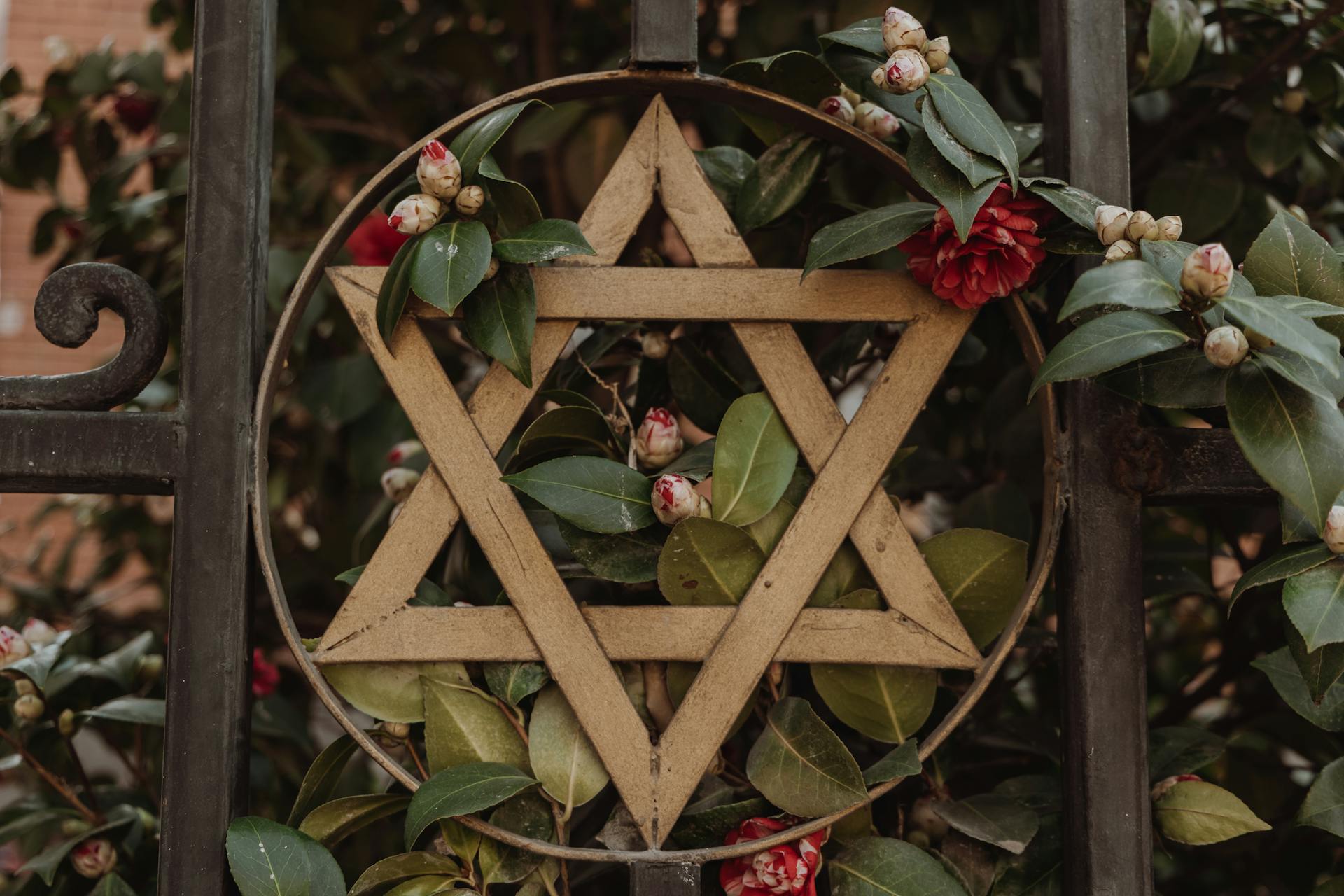
Kavod Ha-Met: Honoring the Dead as a Sacred Duty
In Judaism, the care for the deceased is governed by the principle of kavod ha-met—honor for the dead. A Jewish funeral, or Levayah (which means "accompanying"), is not merely a social event but a series of sacred obligations (mitzvot) designed to treat the body with utmost respect while providing a structured path for the living to grieve. Guided by Halakha (Jewish law), these rituals are marked by simplicity, equality, and a profound sense of communal responsibility. From the moment of death until the burial is complete, every action is intentional, reflecting a worldview that honors the body as a vessel created in the divine image and values the speedy return of the soul to its Creator.
For families observing these traditions, especially in communities without a dedicated Chevra Kadisha, finding funeral services that understand and can facilitate Jewish law is paramount. They ensure that the sacred rituals are performed correctly and with dignity.
The Immediate Procedures: From Death to Taharah
The period between death and burial (aninut) is one of intense focus on preparing the deceased. The bereaved immediate family (mourners, or avelim) are relieved of all other religious duties to focus on this sacred task.
Guarding the Body (Shemirah)
The body is never left alone from the moment of death until burial. A shomer (guardian), often a family member or community volunteer, remains with the deceased, traditionally reciting Psalms. This practice demonstrates respect and protects the dignity of the deceased.
The Sacred Purification (Taharah)
This is the most sacred pre-burial ritual, performed by a Chevra Kadisha (Holy Society), a trained group of men or women from the Jewish community.
- The body is carefully and modestly washed with warm water in a prescribed sequence.
- It is then ritually purified by being gently poured over with continuous streams of water.
- Finally, the body is dried and dressed in tachrichim—simple, plain white shrouds made of linen or cotton. The shroud is identical for all, symbolizing that in death, all are equal before God. A man is also wrapped in his tallit (prayer shawl), with one of its fringes cut to signify that its ritual use is complete.
This ritual is performed with the highest level of reverence and prayer. Funeral homes that work closely with local Jewish communities will have facilities and protocols to support the Chevra Kadisha in this private, sacred work.
The Funeral Service and Burial: Simplicity and Speed
Jewish law emphasizes a swift burial, ideally within 24 hours of death, as a final act of respect for the deceased. The service itself is intentionally simple and brief.
The Simple Casket (Aron)
The casket must be made entirely of wood (with no metal nails or handles) and is often plain pine. It is completely biodegradable, ensuring the body returns to the earth as naturally and quickly as possible. There is no viewing of the body; the focus is on the soul, not the physical remains.
The Service (Levayah)
The funeral service is held at a synagogue, funeral home, or graveside. It is marked by the following elements:
- Keri'ah (Tearing of a Garment): Immediate relatives perform the ritual tearing of a black ribbon or their clothing, worn over the heart, as a powerful physical expression of grief. This is done just before the service begins.
- Psalms and Eulogies (Hesped): The service includes the recitation of Psalms (often Psalm 23) and brief, truthful eulogies that honor the deceased's character and deeds.
- El Malei Rachamim Prayer: The memorial prayer for the soul of the deceased is chanted.
The Burial (Kevurah)
Burial is a religious requirement in Judaism. At the cemetery:
- The casket is carried by family and friends or escorted to the grave.
- Once the casket is lowered, mourners and attendees participate in the mitzvah of filling the grave, using the back of the shovel to signify reluctance. This active participation is a final act of love and kindness (chesed shel emet, true kindness) that cannot be repaid.
- A simple marker is placed, but the formal unveiling of the headstone typically occurs after the Shiva period, often around the first anniversary of death.
The Mourning Periods: Structured Support
Judaism provides a brilliant, graduated structure for mourning that guides the bereaved back into life over the course of a year.
Shiva (The First Seven Days)
Immediate mourners return to a designated home (the "shiva house") to sit low to the ground for seven days (though it is often abbreviated). They do not work, groom themselves, wear leather shoes, or engage in entertainment. The community streams in to provide comfort, prayers (minyan services are held daily), and food, embodying the collective responsibility to support the bereaved.
Shloshim (The First Thirty Days)
For the remainder of the first month, mourners gradually re-enter the world but continue to abstain from festivities, haircuts, and live music. This period marks a transition from intense grief to a more integrated mourning.
The First Year (Shanah) and Yahrzeit
Children recite the Kaddish prayer for a deceased parent for eleven months. The annual anniversary of the death (Yahrzeit) is observed by lighting a 24-hour candle, reciting Kaddish, and often giving charity. The grave is typically visited on the Yahrzeit and before the High Holy Days.
Contemporary Considerations and Cremation
Traditional Jewish law is unequivocal in its requirement for earth burial and its prohibition of cremation, which is seen as a desecration of the body. While some progressive Jewish movements may accommodate families who choose cremation, it remains outside normative Jewish practice and is often a source of deep conflict for traditional families and communities.
For those seeking to uphold traditional burial customs, it is critical to work with a funeral provider knowledgeable in Jewish law who can ensure all aspects—from the simple casket to the timing and cemetery requirements—are handled appropriately.
A Path Paved with Ritual and Compassion
The Jewish funeral and mourning traditions offer a timeless roadmap through grief. They replace uncertainty with clear, meaningful action. The rituals—from the egalitarian shroud to the communal filling of the grave—transform passive sorrow into active honor. They protect the dignity of the deceased while surrounding the living with a tangible, sustaining community. In their steadfast simplicity and deep structure, these customs provide not just a way to say goodbye, but a profound and ancient wisdom on how to live with loss, ensuring the memory of the departed is bound up in the ongoing life and acts of kindness of the living.