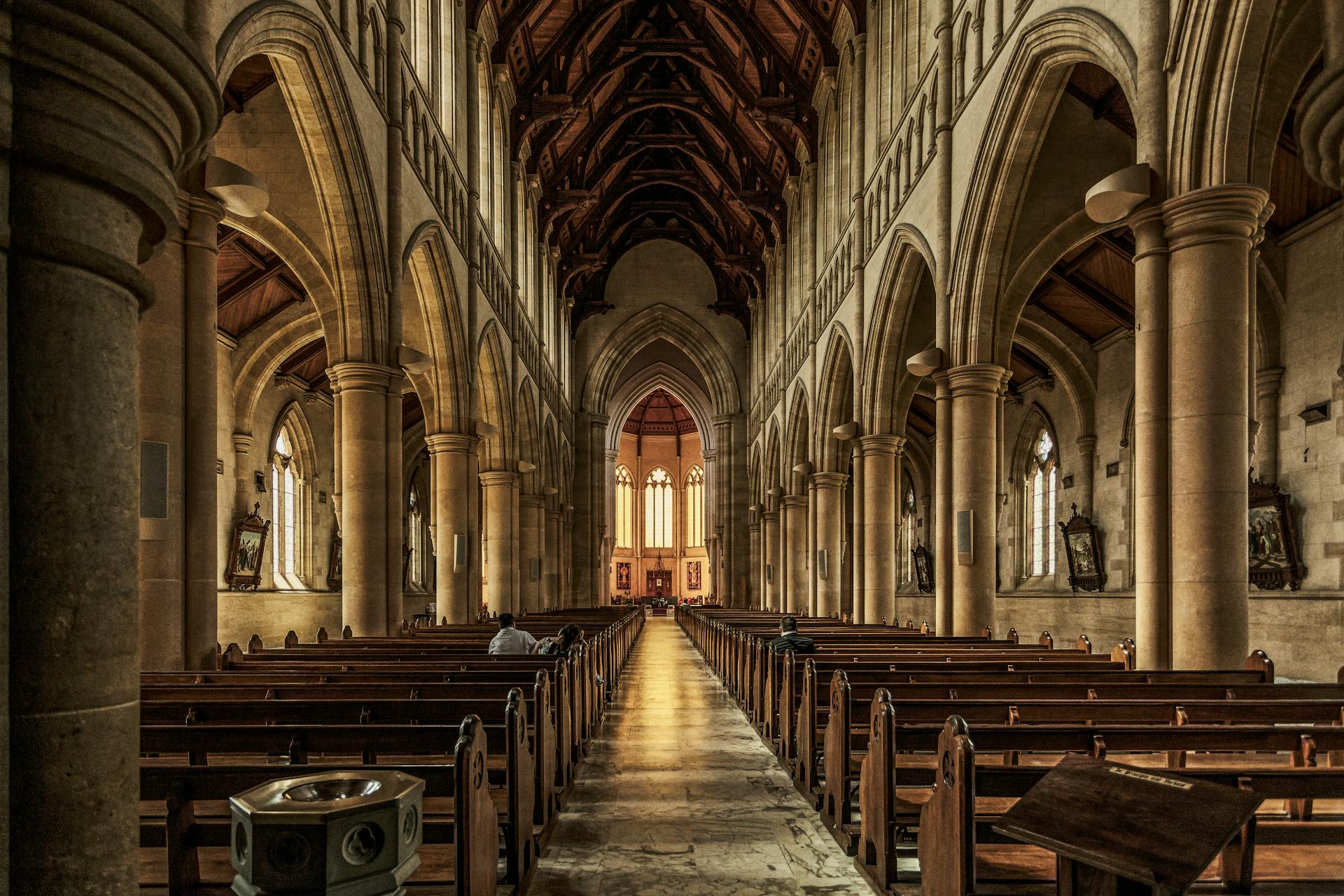
A Liturgy of Hope, Not Despair
In the Catholic tradition, the funeral rites are known as the "Order of Christian Funerals." These rites are not merely a somber farewell; they are an act of worship, a proclamation of faith in the Paschal Mystery—the suffering, death, and resurrection of Jesus Christ. The central celebration is the Funeral Mass (Requiem Mass), which places the reality of death squarely within the context of Christian hope. It is a prayer for the deceased, a source of comfort for the living, and a powerful reminder to the community of believers of their own journey toward eternal life. Understanding the structure and symbolism of these rites can help families participate more fully and find deeper meaning in their grief.
Planning a Catholic funeral involves coordination between the family, the parish, and often a funeral home. For families seeking guidance or looking for a funeral home experienced in Catholic traditions, resources like Funeralhub.ca can provide a helpful starting point for connection and information.
The Three Pillars: The Full Order of Christian Funerals
The Catholic funeral process is typically composed of three integrated rites, each with a distinct purpose.
- The Vigil for the Deceased (Wake or Visitation): Usually held the evening before the funeral, this is a service of prayer, scripture, and eulogies. It is a time for family and friends to gather, share memories, and support one another in faith. It often takes place at a funeral home.
- The Funeral Liturgy: This is the central liturgical celebration, which is preferably a Mass. If a priest is not available, a "Funeral Liturgy outside Mass" led by a deacon may be celebrated. This rite focuses on offering the Eucharist for the repose of the soul and commending the deceased to God's mercy.
- The Rite of Committal: This is the final act of burial or interment at the cemetery or columbarium. It is a short, poignant rite of farewell, entrusting the body or ashes to the ground in the sure hope of the resurrection.
Planning the Funeral Mass: Symbols, Choices, and Participation
The Funeral Mass has a set structure, but within it, there are meaningful choices the family can make to personalize the celebration of their loved one's life in faith.
Sacred Symbols and Their Meaning
- The Pall: A large white cloth draped over the casket at the entrance of the church. It is a reminder of the white garment received at Baptism, symbolizing the deceased's dignity as a child of God and their baptismal promise of eternal life.
- The Crucifix and Bible: A crucifix may be placed on the casket, and a Bible or Book of the Gospels is often placed upon it, signifying the Christian life centered on Christ and his Word.
- The Easter Candle (Paschal Candle): Placed near the casket, it represents the light of Christ, which dispels the darkness of sin and death. It is the same candle lit at the deceased's Baptism and at Easter, connecting all these moments of salvation.
- Holy Water: Sprinkled on the casket as a reminder of Baptism and a prayer for purification.
- Incense: Used to honor the body as a temple of the Holy Spirit and to symbolize the prayers of the saints rising to God.
Family Participation and Liturgical Choices
The family works with the parish priest or liturgy coordinator to select:
- Scripture Readings: Usually two readings (one Old Testament, one New Testament) and a Gospel passage. Common choices include Psalm 23, Romans 6:3-9 ("If we have died with Christ, we shall also live with him"), and John 11 ("I am the resurrection and the life").
- Hymns and Music: Music should be sacred and liturgical, suitable for worship. Favorites often include "Amazing Grace," "On Eagle's Wings," "I Am the Bread of Life," or "How Great Thou Art." Secular music is generally reserved for the vigil or a reception.
- Gift Bearers: Family members may bring the bread and wine to the altar for the Eucharist.
- Readers and Eucharistic Ministers: Family or friends in good standing with the Church may be invited to serve as lectors or, if trained, as Eucharistic ministers.
- Eulogy/Remembrance: The Church encourages a brief remembrance (usually 5-7 minutes) of the deceased's life in faith. This is most appropriately given during the Vigil service or at the conclusion of the Committal, though some parishes allow it after Communion during the Mass.
A funeral home familiar with Catholic practices can assist in coordinating these details with the parish. You can find such providers through directories like Funeralhub.ca's listings.
Burial, Cremation, and the Catholic Church
The Church's teaching on final disposition has evolved with clarity and reverence.
- Preference for Burial: Reflecting the reverence for the body as part of God's creation and in imitation of Christ's own burial, the Church continues to express a preference for the interment of the body in a grave or tomb.
- Permission of Cremation: The Church has permitted cremation since 1963, provided it is not chosen for reasons contrary to Christian doctrine (e.g., denying the resurrection).
- Respect for Ashes: The cremated remains (referred to as "cremains") must be treated with the same respect as a body. They should be present for the Funeral Mass in a worthy, sealed container, and are typically incensed and covered with a pall.
- Proper Interment: Ashes are not to be scattered, kept at home, or divided among family members. They must be interred in a sacred place—a cemetery grave, columbarium niche, or specially designated area within a church. This practice maintains the integrity of the "communion of saints" and provides a fixed location for prayer and remembrance.
Practical Steps for Planning a Catholic Funeral
- Contact the Parish: As soon as possible, notify your parish priest. The funeral cannot be scheduled without the parish's approval and availability of a priest or deacon.
- Choose a Funeral Home: Select a funeral home to handle the care of your loved one, coordinate with the parish and cemetery, and host the Vigil if desired. Ensure they understand Catholic protocols.
- Meet with the Priest or Liturgy Coordinator: This meeting will cover the order of service, selection of readings and music, and logistics for the day. Be prepared to discuss your loved one's faith life and any special requests.
- Prepare the Obituary: Include information about the Vigil, Funeral Mass (time, church location), and Committal. Mention if the family prefers donations to a parish or Catholic charity in lieu of flowers.
- Plan the Reception: Many families host a reception (sometimes called a "mercy meal") after the Committal. This is a time for community, shared stories, and comfort.
For more general information on working with funeral professionals during this planning process, Funeralhub.ca/about offers useful context.
A Celebration of Faith and Eternal Promise
A Catholic funeral is a profound and beautiful expression of faith in the face of death. It does not ignore the pain of loss, but enfolds it in the greater truth of Christ's victory. From the symbolism of the pall to the reception of Holy Communion, each element is designed to guide the mourners from grief to hope. For the believing family, planning and participating in these sacred rites becomes a final act of love—a prayerful send-off that commends a soul to God's eternal mercy and reaffirms the living's own hope in the joyful reunion of the Resurrection.