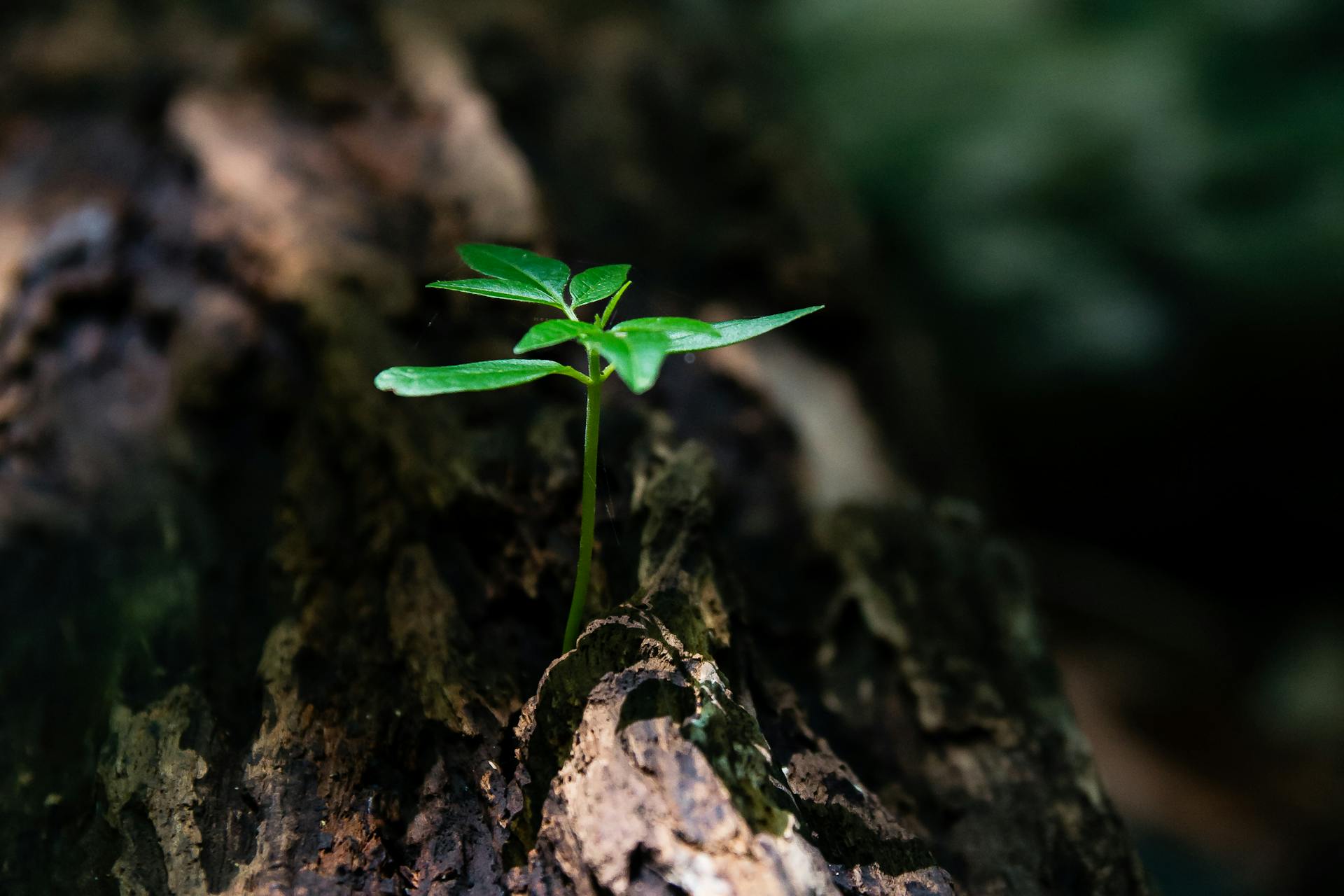
A Conscious Return: The Philosophy of a Green Goodbye
In an age of growing environmental awareness, our choices about life are increasingly mirrored in our choices about death. The conventional funeral, with its chemically-preserved bodies, hardwood caskets, and concrete vaults, is being reconsidered. In its place, a movement towards green burial and eco-conscious alternatives is flourishing. This isn't merely a trend; it's a return to a simpler, more natural way of returning to the earth—one that honors the cycle of life, minimizes environmental impact, and often brings a profound sense of peace and authenticity to the mourning process. This guide explores the practicalities and profound beauty of planning a farewell that leaves a gentle footprint.
For those seeking to align their final act with their environmental values, finding the right information and providers is key. Resources like this Ontario Funeral Homes List can connect you with funeral homes and cemeteries that specialize in or accommodate green practices, helping you navigate this meaningful choice.
What is a Green Burial? The Core Principles
At its heart, a green burial (or natural burial) is about facilitating decomposition and returning nutrients to the soil in a way that conserves resources and protects the environment. It is defined by a few key principles:
- No Embalming: Toxic chemicals like formaldehyde are avoided. Instead, the body is preserved through refrigeration or dry ice, allowing for a natural, safe decomposition.
- Biodegradable Containers: The body is buried in a simple shroud, a wicker or pine casket, or another container made of natural, untreated materials that will quickly break down.
- No Burial Vault or Grave Liner: The body is placed directly in the earth, allowing for natural interaction with soil and microbes.
- Conservation and Land Stewardship: Green burial grounds often double as protected natural spaces—meadows, woodlands, or conservation areas. Burial plots are minimally marked, sometimes with a simple native stone or a GPS coordinate, preserving the natural landscape.
- Shallow Burial: The body is placed at a depth (typically 3-4 feet) that optimizes aerobic conditions for faster, cleaner decomposition.
The Practical Guide to a Natural Burial
1. Finding a Green Burial Ground
This is the first and most critical step. Options in Canada are growing and include:
- Dedicated Natural Burial Grounds: These are cemeteries certified by organizations like the Green Burial Society of Canada (GBSC). They adhere to strict environmental standards and are often beautiful, wild landscapes.
- Hybrid Cemeteries: Many conventional cemeteries now offer a "natural burial section" within their grounds where vaults and traditional markers are not required.
- Conservation Burial Grounds: The highest standard, where burial fees contribute directly to the acquisition, restoration, and permanent protection of the land as a wildlife preserve.
Research is essential, as regulations and offerings vary. A directory like Ontario funeral home listings can help you find providers who work with these specialized grounds.
2. Preparing the Body Naturally
Caring for the body without chemicals is central to the practice.
- Home Vigil: Families may choose to care for the body at home for a short period before burial, using cooling pads.
- Funeral Home Care: Many funeral homes now offer refrigeration as a standard, non-chemical alternative to embalming, allowing for viewings and visitations.
- Natural Preparation: The body may be washed with simple soaps and essential oils, and dressed in natural fiber clothing.
3. Choosing a Biodegradable Container
The market for green burial containers is rich and creative:
- Burial Shrouds: Beautifully crafted from cotton, linen, bamboo, or silk, often with handles for carrying.
- Wicker, Willow, or Bamboo Caskets: Lightweight, elegant, and fully biodegradable.
- Pine or Other Untreated Wood Caskets: Built with non-toxic glue and wooden pegs instead of metal hardware.
- Mushroom Suits: An innovative shroud seeded with mycelium, which aids in decomposition and neutralizes toxins in the body.
Beyond the Earth: Eco-Friendly Cremation Alternatives
For those drawn to cremation but concerned about its carbon footprint, new technologies offer promising alternatives.
Water Cremation (Alkaline Hydrolysis)
Also called resomation or aquamation, this is the most established green cremation alternative.
- The Process: The body is placed in a stainless-steel vessel with a solution of water and potassium hydroxide. Gentle heat and circulation accelerate natural decomposition, leaving only bone minerals (ash) and a sterile liquid.
- Environmental Benefits: Uses 90% less energy than flame cremation, produces no direct emissions or mercury release, and has a smaller carbon footprint.
- The Result: It produces a greater volume of finer, whiter ashes than flame cremation. These are returned to the family for interment or scattering.
Other Innovations
- Human Composting (Natural Organic Reduction): The body is placed in a vessel with organic materials like wood chips and alfalfa. Over several weeks, microbial activity transforms it into nutrient-rich soil, which can be used to nurture gardens or conservation land. Legislation is evolving to permit this in more jurisdictions.
- Green Flame Cremation: Some crematoriums are investing in newer, more energy-efficient machines and carbon-offset programs to mitigate the impact of traditional cremation.
The Benefits: More Than Just Environmental
Choosing a green farewell offers a multitude of rewards.
- Tangible Conservation: Your burial directly contributes to the preservation of natural land in perpetuity.
- Reduced Cost: Green burials often cost significantly less than conventional funerals by eliminating expensive caskets, vaults, and embalming.
- Profound Meaning: The process feels authentic and connected to nature, offering families a deep sense of participating in a natural, cyclical process.
- Simplified Planning: The focus shifts away from commercial products and towards the essence of the ceremony and the natural setting.
Planning Your Green Farewell: Steps to Take
- Educate Yourself and Your Family: Discuss the philosophy and practicalities. Address any concerns about the absence of embalming or traditional markers.
- Locate a Provider and Site: Research green burial grounds in your province. Contact funeral homes that advertise natural services. Ask direct questions about their experience and partnerships.
- Document Your Wishes Clearly: In your will or a letter of instruction, specify your desire for a green burial or eco-cremation, including details about the container and type of service.
- Consider the Ceremony: A green burial often invites a more participatory ceremony—carrying the shrouded body, filling the grave by hand, planting a native tree as a living memorial.
For more information on the principles and providers behind this movement, you can explore Green and Natural Burials in Ontario.
Conclusion: A Legacy of Life
Opting for a green burial or eco-conscious cremation is a powerful final statement. It says that even in death, we choose to nourish life, protect wild spaces, and reduce our burden on the planet. It transforms the act of farewell from one of containment and separation to one of release and regeneration. In returning gently to the earth, we complete a cycle, leaving behind not a monument of stone, but a legacy of living, breathing land—a quiet, enduring gift to the future.